

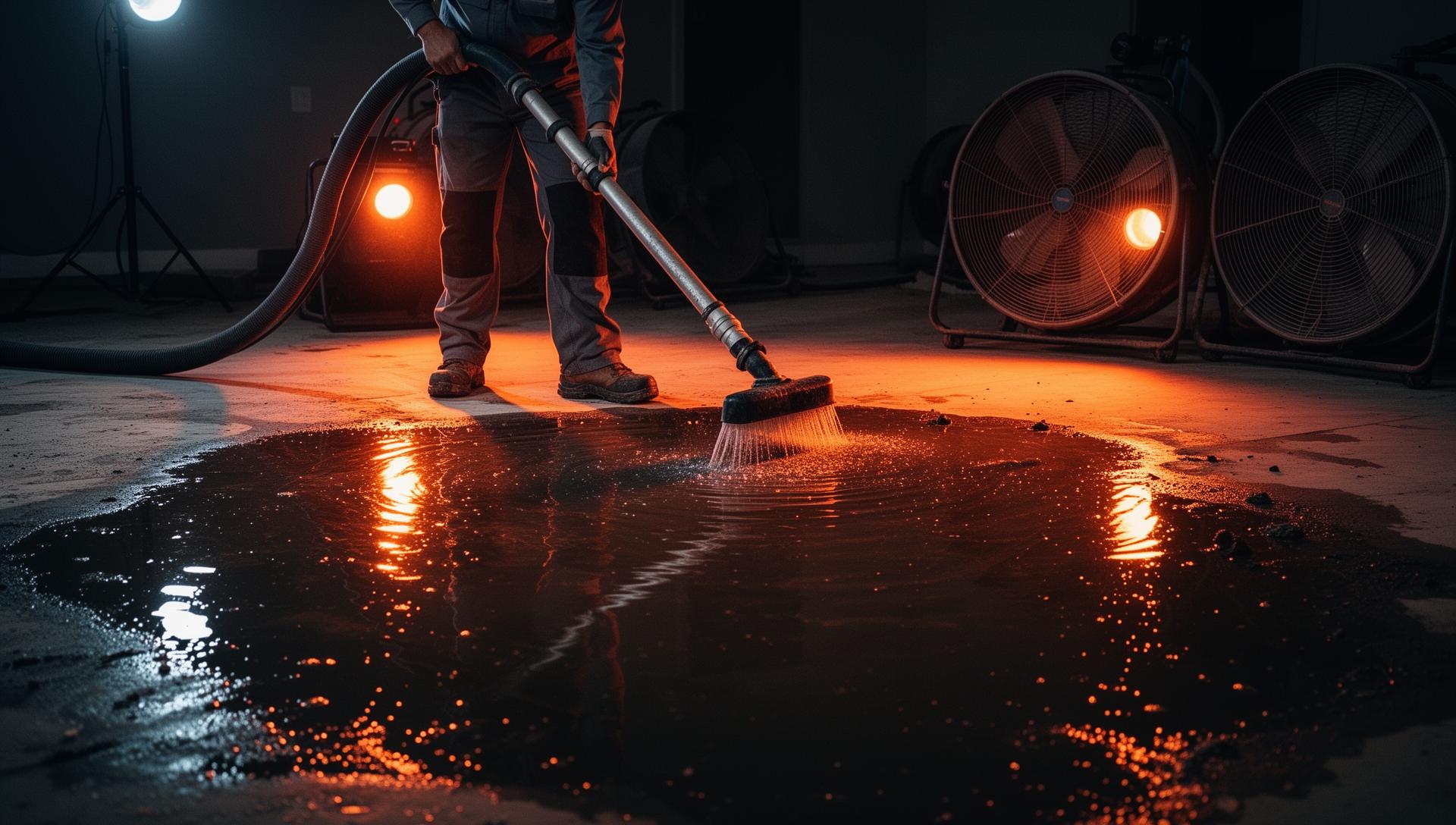
Water Extraction
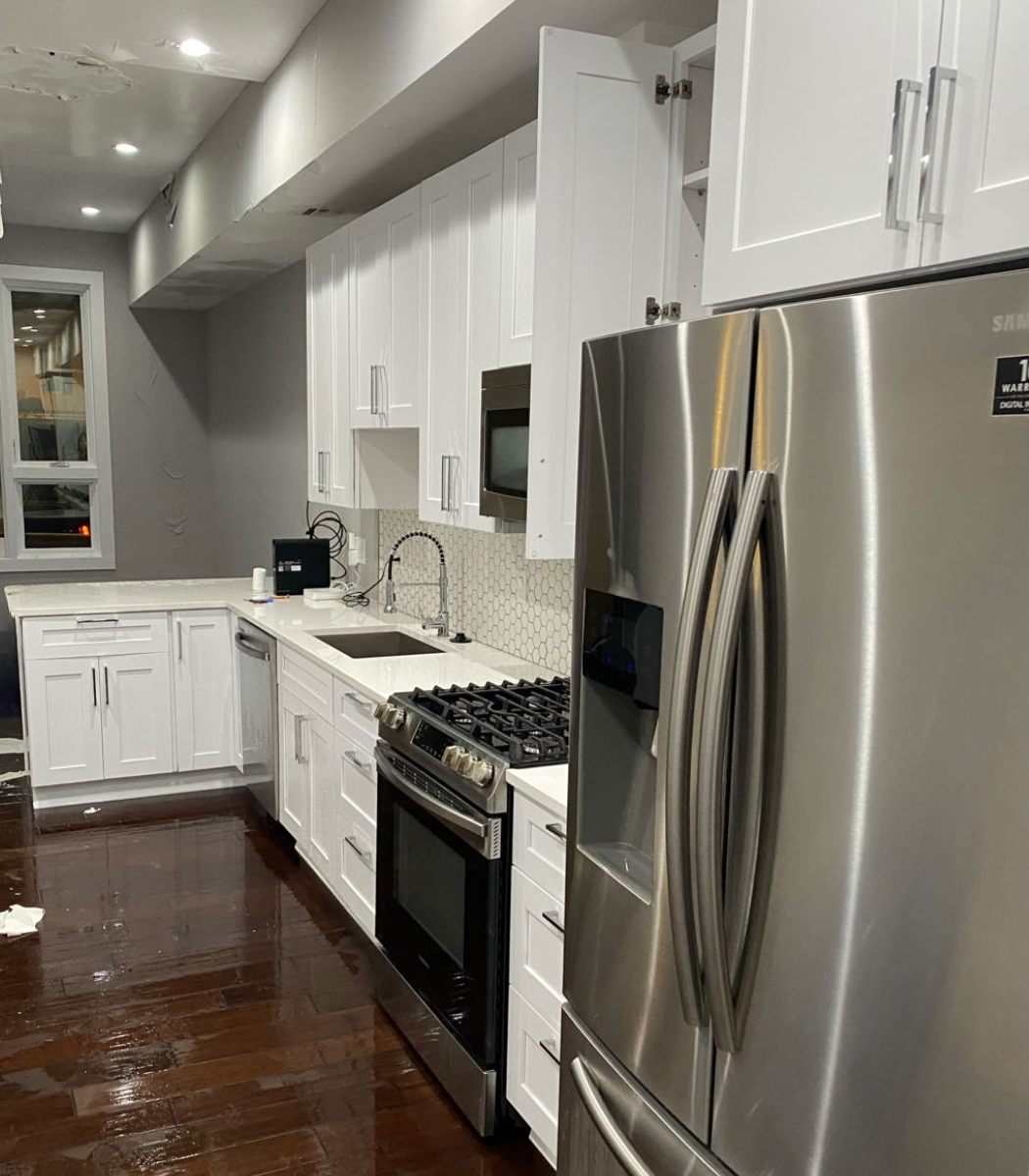
Swift and Effective Water Damage Restoration
Water damage can happen unexpectedly, wreaking havoc on your property and possessions. At Restorex, our water extraction and drying services are designed to address this critical issue promptly and efficiently. Whether it's a burst pipe, a natural flood, or any other water-related mishap, our certified technicians are equipped with the latest technology and expertise to restore your property to its pre-damage state.
Our Water Extraction and Drying Process
Assessment and Inspection
Our process begins with a comprehensive assessment of the affected areas. Our certified technicians evaluate the extent of the water damage, identifying affected materials and potential hazards.
Water Extraction
Using powerful, industry-leading equipment, we swiftly extract standing water from your property. Our high-capacity pumps and specialized tools ensure a thorough removal process, minimizing the risk of further damage.
Moisture Detection
Water has a sneaky way of hiding in unseen places. Our technicians employ advanced moisture detection tools to identify hidden pockets of moisture within walls, floors, and other structural elements.
Dehumidification
After the initial extraction, we deploy industrial-grade dehumidifiers to remove excess moisture from the air. This step is crucial in preventing secondary damage such as mold growth and structural weakening.
Air Circulation
Proper airflow is essential for effective drying. We strategically position air movers to facilitate the evaporation process, ensuring that moisture is efficiently drawn out of surfaces.
Monitoring and Adjustments
Our technicians continuously monitor the drying progress. We make necessary adjustments to equipment and placement as needed, ensuring optimal results.
Documenting Progress
We keep meticulous records of the drying process, including moisture levels and visual assessments. This documentation is essential for insurance claims and ensuring that the restoration process is thorough and complete.
Final Inspection
Once we're confident that the affected areas are thoroughly dried, we conduct a final inspection to ensure that no residual moisture remains. This step is critical in preventing future issues.
Why Water Extraction Matters
Prevents Structural Damage
Swift water extraction helps preserve the integrity of your property's structure, reducing the likelihood of costly repairs.
Mitigates Mold Growth
Removing excess moisture promptly is the first line of defense against mold and mildew growth, safeguarding your health and property.
Preserves Belongings
Quick action increases the chances of salvaging and restoring personal belongings affected by water damage.
Types of Water Categories
The restoration industry categorizes water damage into three main categories based on the source and level of contamination. These categories help professionals understand the potential health risks and required cleanup procedures.
Clean Water
This category refers to water from a clean or sanitary source. It poses no substantial risk to humans if consumed or exposed to the skin. Sources may include broken water supply lines, tub or sink overflows (with no contaminants), and appliance malfunctions involving water supply lines.
Example: A leaky faucet or a burst water pipe.
Grey Water
Grey water contains some level of contamination and may cause discomfort or illness if ingested or exposed to the skin. It typically contains microorganisms or chemical components that can be harmful. Sources may include washing machine overflow, dishwasher discharge, and toilet overflow with urine (no feces).
Example: A washing machine overflow with soapy water.
Black Water
Black water is highly contaminated and potentially harmful to health. It may contain harmful bacteria, fungi, viruses, and other microbial agents. This category includes water from sources such as sewage backups, floodwaters, and water from natural disasters. It requires specialized cleaning and disinfection procedures.
Example: Sewage backup, floodwater from rivers or streams.
It's important to note that while these categories help classify water damage, the actual condition of the water may change over time. For example, clean water left standing for an extended period can become contaminated (e.g., Category 1 water left stagnant for a period of time may become Category 2 water).
Need Water Extraction Services?
Contact us today for immediate assistance with your water damage emergency.